
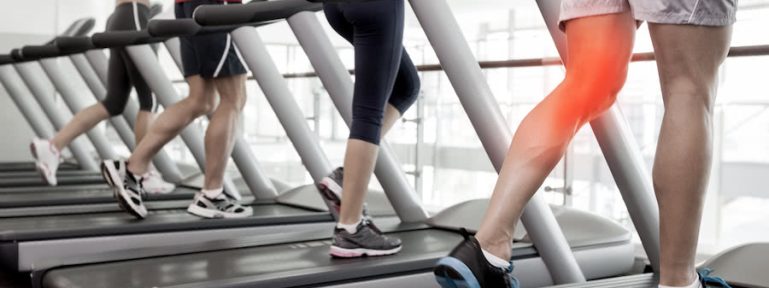
When you’re dealing with knee issues, one common concern is knee effusion, also known as fluid on the knee or water on the knee. But what does fluid on the knee feel like? In most cases, it feels painful, stiff, and tight. Let’s look into it in more detail.
Symptoms of Fluid on the Knee
Swollen Knee
One of the primary symptoms of knee effusion is swelling. The affected knee will often appear larger, puffier, or more swollen than normal. This swelling may occur gradually or suddenly, making one knee appear larger or more "puffy" compared to the other. The area around the kneecap might feel tight and stretched due to the excess fluid. Fluid-filled swelling is particularly noticeable and can be felt by pressing around the kneecap.
Sensation of Sponginess
Sometimes described as a feeling of squishiness or sponginess when touching or pressing on the affected knee, this sensation comes from the fluid accumulated within the joint space or surrounding tissues, giving it a soft, pliable texture that differs from normal tissue firmness.
Joint & Knee Pain
Fluid on the knee typically involves varying degrees of knee joint pain. The pain may be sharp and acute, especially with an injury, or it can be a persistent, dull ache in chronic conditions like arthritis. Pain is often localized around the kneecap and the sides of the knee. The degree of pain often correlates with the amount of fluid present and joint swelling, and any underlying conditions contributing to the effusion. Pain may worsen with activity or prolonged standing.
Stiffness & Heaviness
Stiffness is a common complaint from a swelling knee among those with knee fluid. Many individuals describe a sensation of heaviness in the knee, making it feel as though there is added weight bearing down on the joint. This heaviness is often accompanied by stiffness, especially after periods of inactivity such as sitting or sleeping. Movement can become challenging and restricted. Activities such as walking, climbing stairs, or even sitting for extended periods can become challenging. Additionally, the instability caused by the fluid buildup can lead to a sense that the knee might give out, especially during activities that require weight-bearing.
Warmth and Redness: Signs of Inflammation
If an infection or inflammatory condition like bursitis is causing the fluid on the knee, you might notice symptoms such as redness and warmth around the knee joint. These indicate an active inflammatory response within the knee. The skin over the knee may feel warm to the touch and appear red. It is particularly noticeable in conditions like gout.
Reduced Range of Motion (ROM)
The buildup of fluid can lead to a reduced range of motion in the affected knee. Activities that involve bending or straightening the knee fully can become difficult or painful. Attempting to move beyond this limited range may result in increased discomfort and instability.
Possible Stages of Knee Effusion
Fluid on the knee can present itself through various sensations and physical changes, depending on the underlying cause and the amount of fluid accumulated. Below are some typical stages of progression, especially if left untreated, and the below stages are not related to traumatic knee pain.
Initial Stages: Mild Knee Swelling and Discomfort
In the early stages of fluid accumulation, you might notice mild swelling around your knee joint. This swelling could be more apparent toward the end of the day or after physical activity. There may be a slight puffiness that makes your knee look slightly larger than usual but not significantly so.
During this phase, discomfort is usually minimal. You might experience a sense of heaviness in your knee that feels akin to carrying an extra load. Movements such as walking upstairs or standing after sitting for prolonged periods can start to feel laborious due to this additional weight sensation.
Progression: Noticeable Swelling, Squishiness, and Pain
As fluid continues to accumulate, the symptoms become more pronounced. At this stage, noticeable swelling sets in, making one knee visibly larger than the other. The skin around the swollen area might appear taut and shiny due to stretching from the excessive fluid.
Additionally, touching or pressing on the affected knee will yield a squishy sensation. This is often described as feeling like there’s a water balloon under your skin – soft and pliable compared to normal tissue firmness. This squishiness results from fluid filling spaces within or around your knee joint.
Pain also becomes more significant during this progression stage. Depending on the underlying cause (such as arthritis or injury), you might feel anything from a dull ache to sharp pain exacerbated by movement or weight-bearing activities. This pain can interrupt routine tasks like walking, bending, or even standing for long periods.
Advanced States: Severe Swelling, Restricted Mobility, and Daily Challenges
In advanced stages where fluid buildup is extensive, severe swelling ensues with notable impact on mobility. Your knee may reach a point where it appears dramatically enlarged – causing real concern about both function and aesthetics.
This level of swelling restricts range of motion considerably. Bending or straightening your leg fully becomes challenging if not impossible without substantial discomfort. Attempting everyday actions such as squatting to pick something up or climbing stairs can result in intense pain that hinders completion.
The constant presence of excess fluid exerts pressure inside your joint space leading to a persistent feeling of tightness around your kneecap area known medically as joint effusion. You might also experience increased stiffness upon waking up in the morning which gradually eases during daytime movements but doesn't entirely go away.
If you are suffering from knee swelling, seek out an expert like ourselves for examination and potentially aspiration (drawing the fluid out of the knee).